Dental Veneers Cost, Procedure, and Aftercare Explained
Wiki Article
The Complete Summary of Veneers: Types, Makes use of, and Their Influence on Your Smile
Veneers act as a preferred option for people looking for to enhance their oral appearances. These custom-crafted shells can effectively mask blemishes such as discoloration and voids. With two main kinds available, porcelain and composite material, each deals distinctive advantages and constraints. The effect of veneers expands past simple appearance, affecting self-worth and social interactions. Recognizing their benefits and kinds is crucial. What might this mean for one's overall high quality of life?Recognizing Veneers: What They Are and How They Function
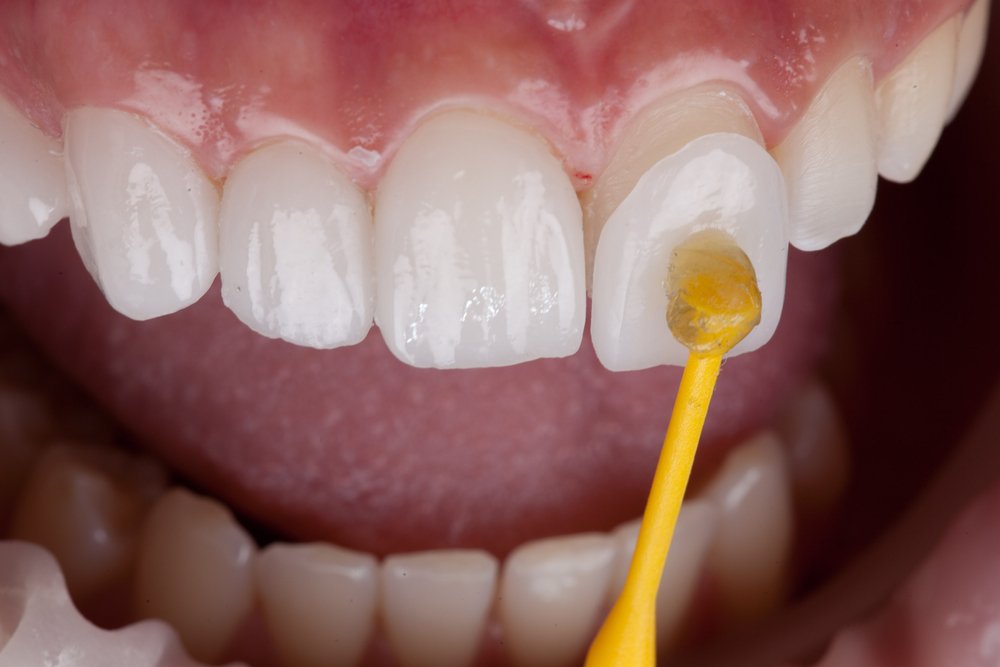
Veneers are slim coverings, usually made from porcelain or composite material, that are custom-crafted to fit over the front surface of teeth. They serve both useful and aesthetic purposes, providing a remedy for different dental blemishes such as staining, gaps, and minor imbalances. By sticking to the tooth enamel, veneers create an all-natural look while improving the shape and color of the teeth.The procedure normally entails an initial assessment, where a dentist evaluates the patient's needs and reviews preferred results - What Are Veneers. Following this, a very little quantity of enamel may be eliminated to suit the veneer. Impressions of the teeth are then required to assure an accurate fit. Once fabricated, the veneers are adhered firmly to the teeth making use of an unique oral adhesive. This procedure not just boosts the smile's appearance yet also helps protect the underlying teeth from further damage, making veneers a popular selection for several looking for a smile transformation
Kinds of Veneers: Porcelain vs. Compound Resin
The difference between porcelain and composite material veneers hinges on their product structure and features. Each type supplies varying levels of cost, long life, and resilience, influencing patients' choices based upon their specific demands. Understanding these differences is vital for making a notified decision concerning oral improvements.Product Differences Discussed
While both porcelain and composite material veneers offer the very same cosmetic objective, they vary greatly in material residential or commercial properties, resilience, and visual results. Porcelain veneers are crafted from a ceramic material that mimics the natural transparency of teeth, supplying a natural appearance. Their smooth surface is resistant to discoloration, making them an appealing option for those looking for a long-lasting visual. In comparison, composite resin veneers are made from a tooth-colored plastic material, offering versatility and ease of application. They might not attain the exact same degree of brightness or clarity as porcelain. Additionally, composite veneers can be extra conveniently formed and fixed, making them a more flexible option in particular dental scenarios. Each type presents distinct advantages tailored to specific choices.Longevity and Toughness
When contrasting porcelain and composite resin veneers, durability and durability are substantial elements. Porcelain veneers are recognized for their stamina, usually lasting 10 to 15 years with correct treatment. Their strength against discoloring and damaging makes them a favored option for people looking for lasting outcomes. On the other hand, composite material veneers commonly have a shorter life-span, averaging 5 to 7 years. While they can be repaired extra easily if damaged, they are extra prone to use and discoloration with time. The selection in between these materials often depends upon the individual's way of life, aesthetic objectives, and maintenance preferences. Eventually, understanding the differences in longevity and durability can guide people in selecting the veneer type that ideal suits their needs.Expense Contrast Insights
When choosing in between porcelain and composite material veneers, expense is a crucial consideration. Porcelain veneers commonly range from $800 to $2,500 per tooth, reflecting their longevity, visual appeal, and resistance to discoloration. These veneers need an extra substantial procedure and specialized laboratory job, adding to their higher price. On the other hand, composite material veneers are normally extra inexpensive, setting you back in between $250 and $1,500 per tooth. They can be applied in a solitary see, which minimizes labor expenses. However, composite veneers may need much more constant substitutes, possibly raising lasting expenses. Eventually, the choice in between porcelain and composite resin veneers depends upon private budget plans and wanted results, stabilizing first expenses against longevity and aesthetic outcomes.The Benefits of Deciding On Veneers for Your Smile
Selecting veneers provides substantial benefits for those looking for a boosted smile. Their enhanced visual allure can transform the appearance of teeth, while their stain-resistant residential properties assure a lasting brightness - Veneers Teeth. This combination makes veneers a prominent option for people wanting to attain a flawless smileImproved Visual Appeal
Veneers typically arise as a favored service due to their transformative aesthetic advantages when people seek to enhance their smiles. These slim coverings, commonly constructed from porcelain or composite resin, can successfully hide flaws such as chips, spaces, and misalignment. By mimicking the natural look of teeth, veneers provide a seamless, radiant smile. Their adjustable nature permits a tailored technique, allowing individuals to select shades and forms that finest match their face attributes. Furthermore, veneers can develop an uniform look, enhancing overall face balance. This visual improvement not only enhances self-confidence however can also positively affect individual relationships and social interactions, making veneers a preferred selection for those aiming to achieve a brighter, more appealing smile.Discolor Resistance Benefits
Veneers not only enhance visual appeal yet additionally use significant tarnish resistance, making them an attractive alternative for individuals worried concerning keeping a bright smile. Composed of durable materials such as porcelain or composite resin, veneers are much less permeable than all-natural teeth, which assists avoid the absorption of spots from common wrongdoers like coffee, tea, and merlot. This integral stain resistance allows individuals to enjoy their favorite beverages without bothering with discoloration. Dental Veneers. Additionally, the smooth surface area of veneers makes them much easier to clean, additional improving their durability and preserving their immaculate appearance. Consequently, veneers supply a practical option for those looking for both beauty and functionality in their oral treatmentThe Refine of Getting Veneers: What to Expect

The process of getting veneers might appear challenging, recognizing the actions involved can relieve issues. Originally, an examination with a dentist is required to identify if veneers are the suitable service for the individual's oral concerns. Throughout this visit, the dental professional will certainly go over preferred results and take perceptions of the teeth.
Next off, a 2nd consultation is arranged for tooth prep work, where a little quantity of enamel is commonly gotten rid of to accommodate the veneers. Short-term veneers may be placed while the customized ones are crafted in a dental laboratory, which usually takes a number of weeks.
As soon as prepared, the dental professional will put the veneers, making certain correct fit and color prior to bonding them to the teeth using an unique adhesive. After last modifications, the dentist will give advice on care. Understanding these actions can assist clients really feel extra comfy and informed throughout the veneer process.
Upkeep and Look After Your Veneers
Maintaining veneers requires regular care to guarantee their long life and appearance. Proper oral hygiene is crucial; cleaning two times daily with a non-abrasive tooth paste and flossing frequently help avoid plaque build-up around the veneers. Furthermore, routine oral exams are essential for keeping an eye on the problem of the veneers and attending to any type of prospective concerns early.When biting to prevent damages, clients must prevent tough foods and extreme force. It's likewise suggested to limit usage of discoloring compounds, such as coffee, tea, and merlot, as these can affect the veneers' color in time.

Changing Your Smile: Real-Life Influence of Veneers
A radiant smile can considerably boost one's self-confidence and general appearance. For many people, veneers offer as a transformative solution, effectively addressing different dental concerns such as staining, voids, and imbalance. These thin coverings, tailor-made to fit over the front of the teeth, can create a harmonious and aesthetically pleasing smile.Real-life situations show the extensive influence veneers can have. People often report an instant increase in self-confidence and social interactions following their treatment. The newfound confidence can bring about even more opportunities in specialist and individual life, as individuals really feel even more likely to engage and reveal themselves.
In addition, the psychological benefits prolong beyond mere appearance; many experience boosted mental health as they accept their smiles. As a result, veneers not only boost physical features yet likewise add substantially to overall lifestyle, underscoring their worth in aesthetic dental care.
Frequently Asked Questions
Exactly How Lengthy Do Veneers Usually Last Before Needing Replacement?
Veneers usually last between 10 to 15 years before requiring replacement. Aspects such as oral hygiene, dental habits, and the kind of material utilized can affect their longevity and general resilience. Routine oral check-ups are a good idea.Can Veneers Be Eliminated, and if So, Just how?
Yes, veneers can be gotten rid of. A dentist usually makes use of customized devices to thoroughly detach them from the teeth, guaranteeing minimal damages to the underlying enamel, usually adhered to by required adjustments or restorations for ideal looks.Are Veneers Suitable for Everybody's Oral Condition?
Will Getting Veneers Hurt or Require Anesthesia?
Getting veneers generally includes very little pain, and numerous people get regional anesthesia to guarantee a pain-free experience. Level of sensitivity may take place briefly afterward, however a lot of find the procedure tolerable and are satisfied with the results.How Do Veneers Affect Tooth Level Of Sensitivity After Placement?
Veneers can briefly raise tooth level of sensitivity as a result of the removal of enamel and the bonding procedure. Many people experience a decline in level of sensitivity gradually as the teeth get used to the brand-new veneers.Veneers are slim coverings, typically made from porcelain or composite material, that are custom-crafted to fit over the front surface area of teeth. Porcelain veneers are crafted from a ceramic material that imitates the all-natural transparency of teeth, supplying a realistic appearance. Porcelain veneers typically range from $800 to $2,500 per tooth, reflecting their toughness, visual allure, and resistance to discoloration. In comparison, composite material veneers are usually more inexpensive, costing between $250 and $1,500 per tooth. Composed of resilient materials such as porcelain or composite resin, veneers are less porous than all-natural teeth, which assists avoid the absorption of spots from common perpetrators like coffee, tea, and red white wine.
Report this wiki page